
Firefighting to Orchestration: Why Gigafactories Need a Digital Command Center
The global transition to electrification has accelerated the development of battery gigafactories around the world. These facilities represent some of the most complex manufacturing ecosystems ever built — combining chemical processing, high-speed assembly, advanced automation, and global supply chains.
Yet while production technology continues to advance rapidly, many organizations are still struggling with an operational challenge that lies beneath the surface:
How do we orchestrate the entire value chain in real time?
From raw materials to final battery modules, gigafactories operate within an ecosystem that spans mining operations, chemical refinement, material processing, logistics networks, and highly synchronized manufacturing lines.
Even with strong planning and execution frameworks in place, the volatility of the battery supply chain introduces a new level of complexity.
This is where the concept of a Digital Command Center becomes essential.
The Growing Complexity of Supply Chains
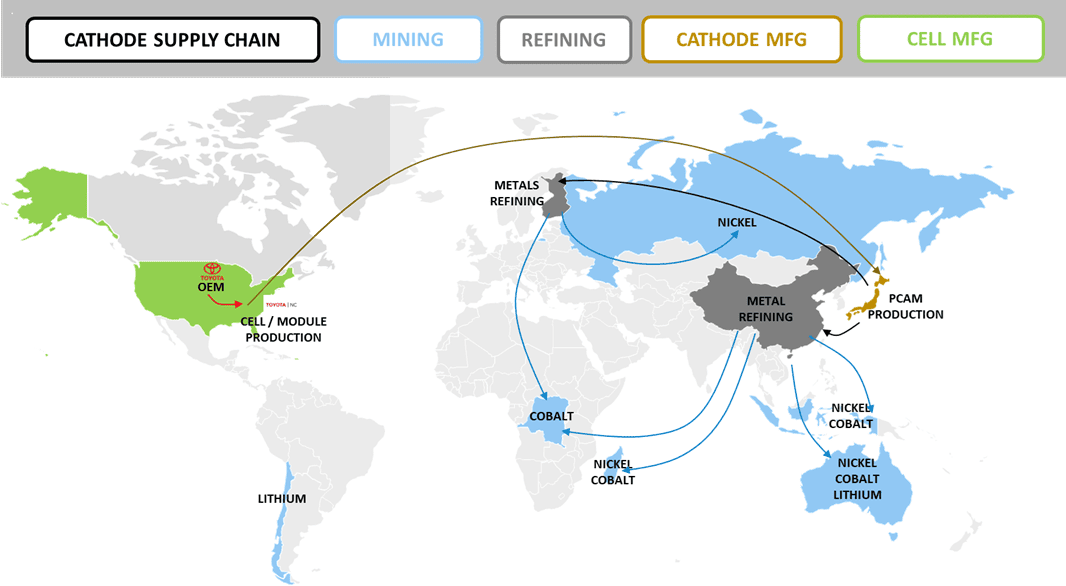
Unlike traditional automotive manufacturing, battery production depends on a supply chain that is both geographically distributed and technically sensitive.
Critical materials such as lithium, nickel, and cobalt often move across multiple continents before reaching cell manufacturing facilities. Each stage introduces new risks — from geopolitical disruptions to quality variability and logistics delays.
As gigafactories scale, the ripple effects of these disruptions become more visible.
A delayed shipment of cathode material can cascade through the system:
production schedules shift
inventory buffers erode
logistics costs increase
and line-side shortages begin to appear
The result is a pattern many operations leaders recognize:
teams spend too much time reacting to problems instead of preventing them.
Traditional Planning Excellence Is No Longer Enough
Most manufacturing organizations already have sophisticated planning processes in place.
These include:
material planning systems
advanced scheduling tools
logistics coordination platforms
quality traceability systems
However, the challenge is not the absence of tools. The real challenge is fragmentation.
Different systems hold pieces of the operational puzzle:
ERP systems track orders and financial flows
MES platforms monitor production execution
logistics systems manage shipments and transportation
supplier portals manage procurement interactions
While each system works well within its domain, decision-makers often lack a unified operational view across the entire ecosystem.
Without this shared visibility, teams rely on manual coordination, spreadsheets, and reactive communication to solve problems.
The Digital Command Center Concept
A Digital Command Center does not replace existing systems.
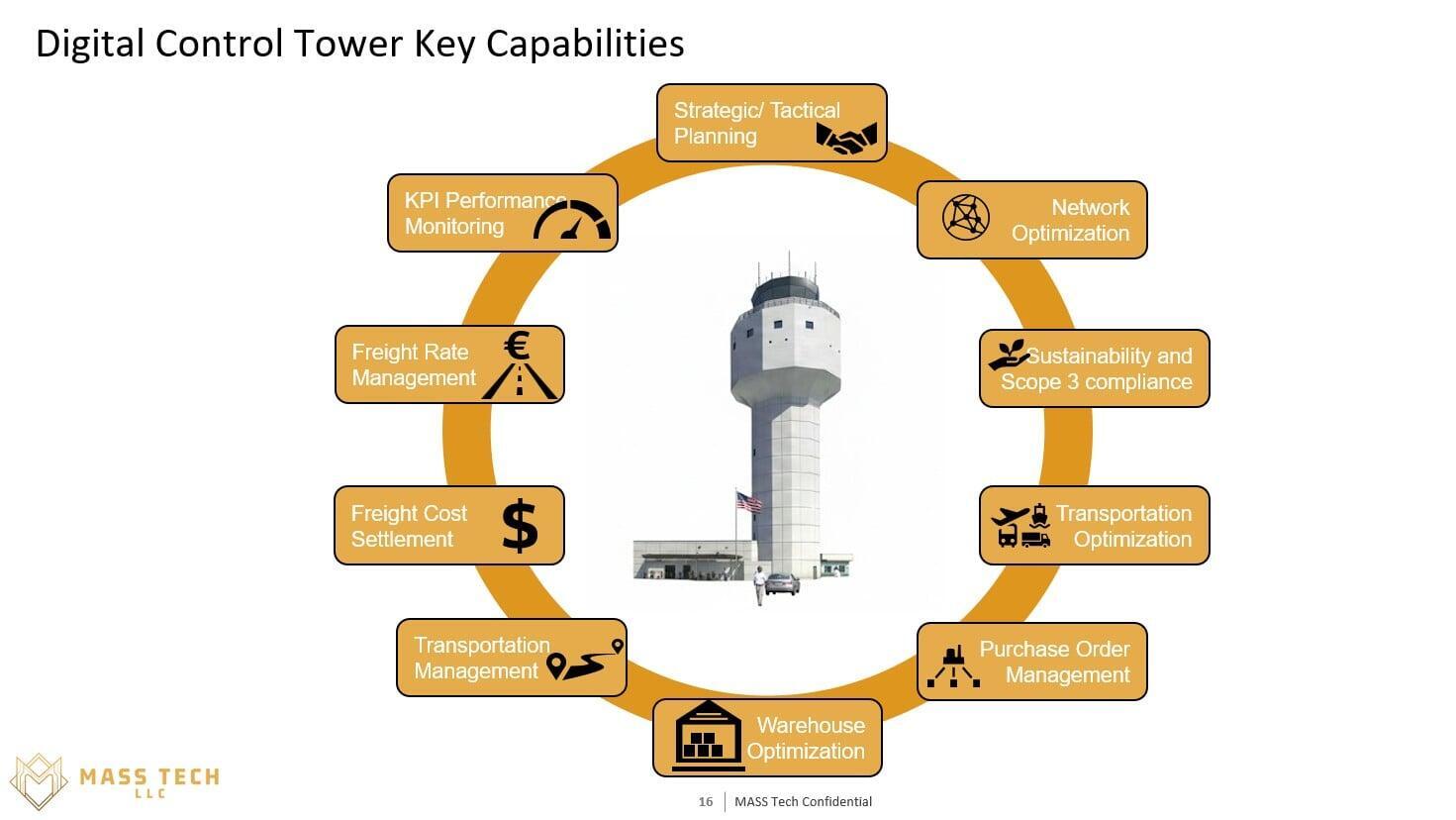
Instead, it acts as an orchestration layer that brings together information from across the enterprise and converts it into actionable insights.
Think of it as a real-time operational cockpit where leaders and planners can understand the current state of the system and respond quickly to emerging risks.
Rather than focusing on dashboards alone, the goal is to enable better operational conversations.
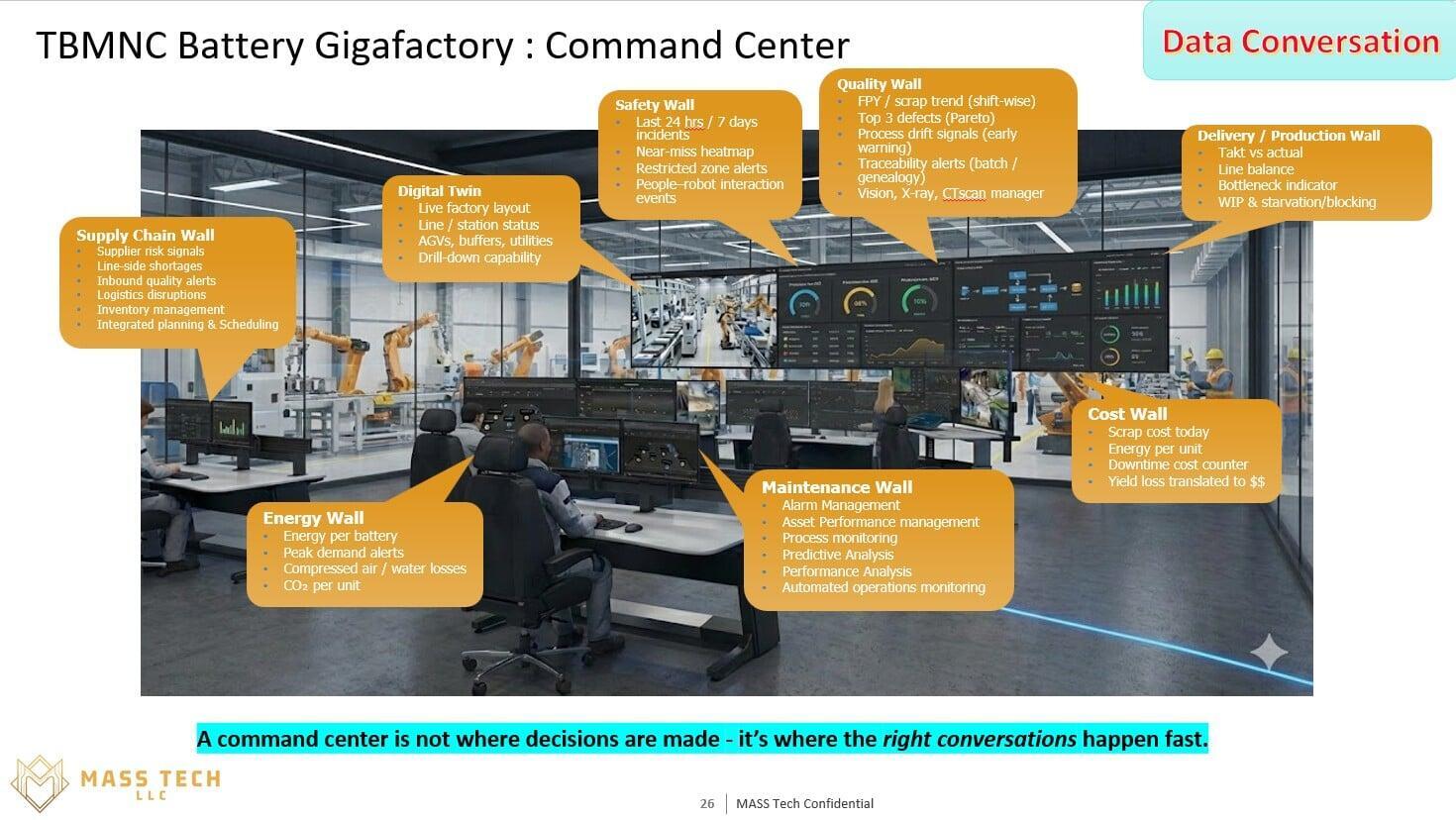
A well-designed command center integrates multiple operational perspectives, including:
Supply Chain Visibility
Monitoring supplier performance, inbound material risks, logistics disruptions, and inventory health across multiple tiers.
Production Stability
Tracking takt adherence, bottlenecks, line balancing, and WIP levels across manufacturing lines.
Quality and Traceability
Linking material genealogy, defect trends, and process drift signals to upstream supply chain events.
Cost and Efficiency
Understanding the financial impact of downtime, scrap, and operational variability in real time.
Energy and Sustainability
Monitoring energy consumption per battery, peak demand patterns, and environmental indicators.
When these perspectives are connected within a single operational environment, organizations can move from reactive problem solving to proactive orchestration.
The Journey Toward a Command Center
Building a digital command center is not a one-step transformation.
Successful organizations typically progress through a staged approach.
1. Establish Visibility
The first step is ensuring the right data is available and trusted.
This involves integrating operational systems, establishing data flows across departments, and identifying the most critical use cases for visibility.
The focus is not on building large platforms immediately, but on enabling targeted operational insights.
2. Connect the Enterprise Landscape
Once visibility improves, organizations can begin linking supply chain, logistics, and manufacturing data into a broader operational network.
At this stage, digital twins and simulation tools often begin to play a role, helping teams understand how decisions in one part of the system affect others.
Planning and execution systems start to operate in a more coordinated way.
3. Empower People with AI-Driven Insights
The final stage introduces advanced analytics and AI-assisted decision support.
Rather than replacing human decision-making, these capabilities help planners and operators identify patterns, simulate scenarios, and anticipate disruptions earlier.
AI becomes an assistant that helps teams interpret complex operational signals and respond faster.
Why This Matters for the Future of Gigafactories
- A shipment delay, quality deviation, or production imbalance can quickly impact the entire ecosystem.
- Organizations that can detect early signals and coordinate responses quickly gain a major advantage.
- The Digital Command Center model provides a framework for achieving that level of operational awareness.
- More importantly, it reinforces a cultural shift.
Instead of relying on fragmented systems and reactive coordination, teams begin to operate with a shared understanding of the system’s health.
The result is not just better technology — it is better operational alignment.
From Data to Conversations
One of the most important principles behind modern command centers is simple:
A command center is not where decisions are made.
It is where the right conversations happen faster.
When operational data becomes visible across teams — supply chain, production, quality, logistics, and planning — organizations can respond more effectively to challenges and opportunities.
For battery manufacturers navigating a rapidly evolving industry, this capability is becoming increasingly essential.
Looking Ahead
As gigafactories continue to scale globally, the need for integrated operational intelligence will only grow.
Organizations that invest early in digital command center capabilities will be better positioned to manage volatility, improve production stability, and accelerate innovation.
The question is no longer whether operational visibility is important.
The question is:
How quickly can organizations move from fragmented information to orchestrated decision-making?